
Ghana news briefing
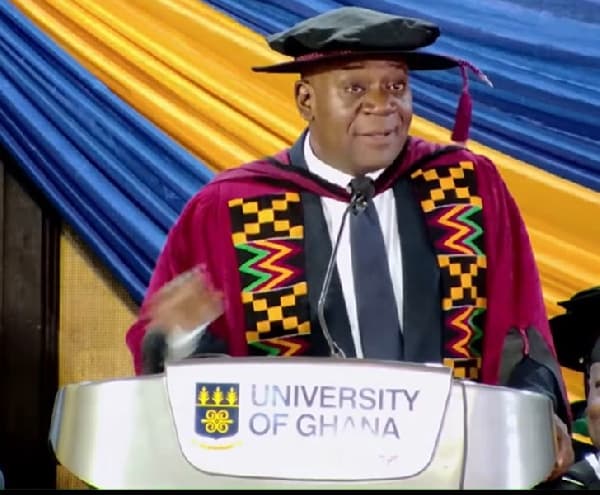
Opoku-Afari: IMF programmes unable to address political economy roots of debt accumulation
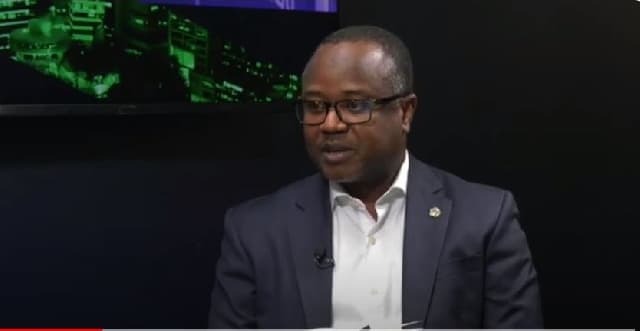
This include electoral competition and patronage-related spending pressures where rollover and liquidity risks were at times underweighted; stress-testing of domestic debt and its interaction with the banking system was limited; coverage of the wider public-sector balance sheet (including SOEs [State-Owned Enterprises], guarantees, and other contingent liabilities) remained incomplete; and the sovereign–bank “doom loop” was not always assessed in a comprehensive, integrated manner.
Third, IMF-supported programme design often prioritized near-term consolidation over reforms that address the structural drivers of recurrent debt accumulation—particularly in energy pricing, SOE governance, and tax policy and administration.
Second, the analysis did not fully internalise domestic-debt dynamics and fiscal–financial feedback effects, leading to an under-appreciation of rollover, liquidity, and banking-sector channels.
This is a summary of the original articles listed below. Always read the source articles for the full context. GhanaSummary does not create or modify the news — we summarise and link to original publishers.
Original sources
1 reportsMore stories
View all news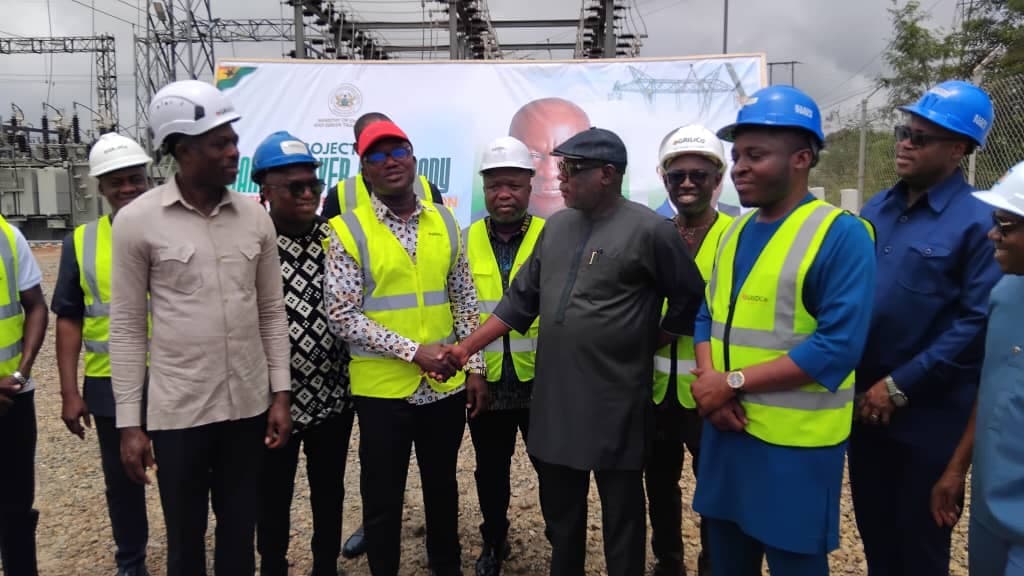
Government launches GHS598m electrification project for 206 Volta communities

President Mahama inaugurates Northshore Apparel Ghana Limited at Savelugu

John Dumelo joins corporate Ghana at JoySports Invitational Tournament 2026
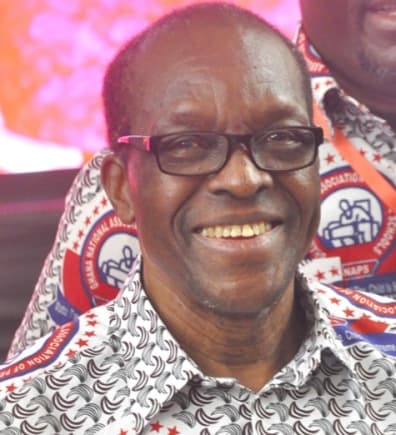
Speaker applauds private schools for high-quality human development
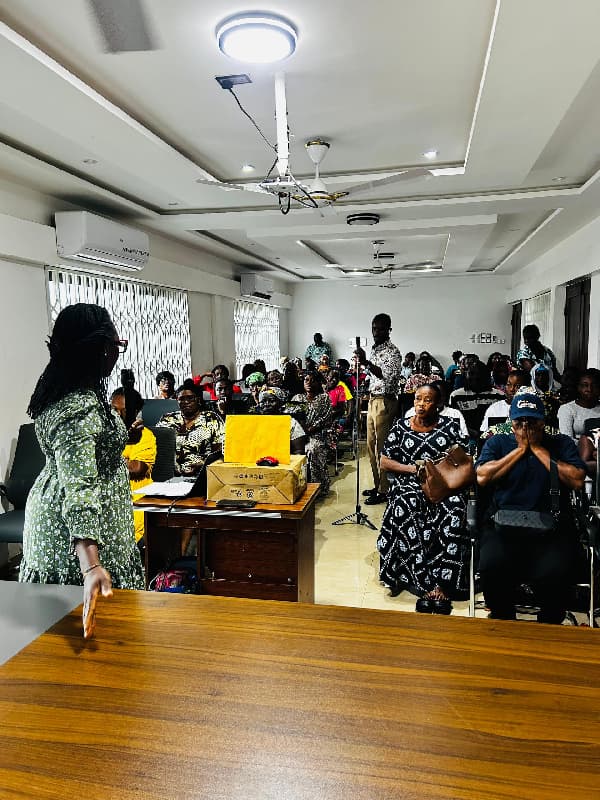
Adentan MCE cautions caterers, food handlers against unauthorised additives, substandard ingredients
UG Prof Ardey Cudjoe warns of rising temperatures and health risks
Don’t stop here