
Ghana news briefing
Illegal mining pulling Ghana’s school children out of classrooms and into hazardous labour
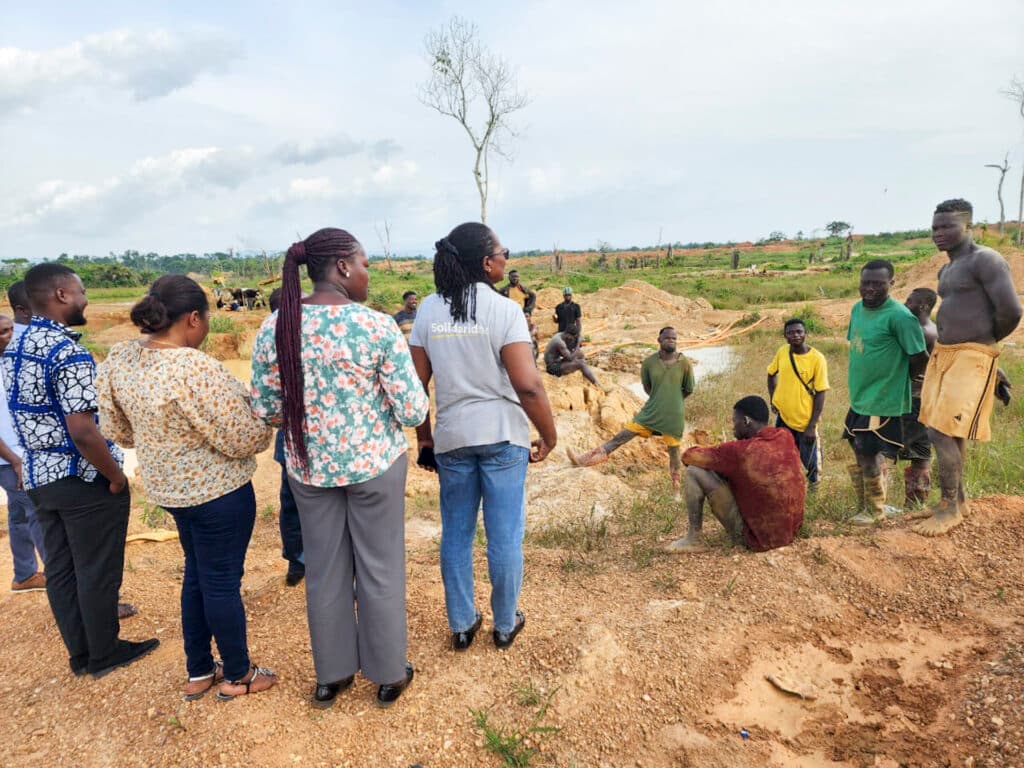
While poverty remains a significant driver, the study highlights that child labour is equally influenced by behavioural and social factors such as peer pressure, the desire for quick income, weak parental supervision, and the growing perception that education offers limited immediate benefits.
Monalynn Anokye-Bempah, Principal Officer at the Gender Unit of the Minerals Commission of Ghana, indicated that the Commission's collaboration with Solidaridad West Africa seeks to identify and eliminate child labour risks, encourage school attendance and retention, reward communities for maintaining child labour-free standards, strengthen local child protection systems, build sustainable livelihood alternatives for families, and foster community ownership in protecting children.
The study conducted in April 2026, as part of broader efforts to tackle child labour in Ghana's small-scale gold mining sector, revealed that children between the ages of 10 and 17 are engaged in hazardous tasks at abandoned and unregulated mining sites, exposing them to unsafe pits and machinery, mercury and other toxic chemicals, exploitation, and abuse.
This is a summary of the original articles listed below. Always read the source articles for the full context. GhanaSummary does not create or modify the news — we summarise and link to original publishers.
Original sources
1 reportsMore stories
View all news%2Cautocrop(1200%3A630)&w=3840&q=75)
EOCO intensifies probe into Asante Berko’s case, targets assets recovery linked to alleged bribery
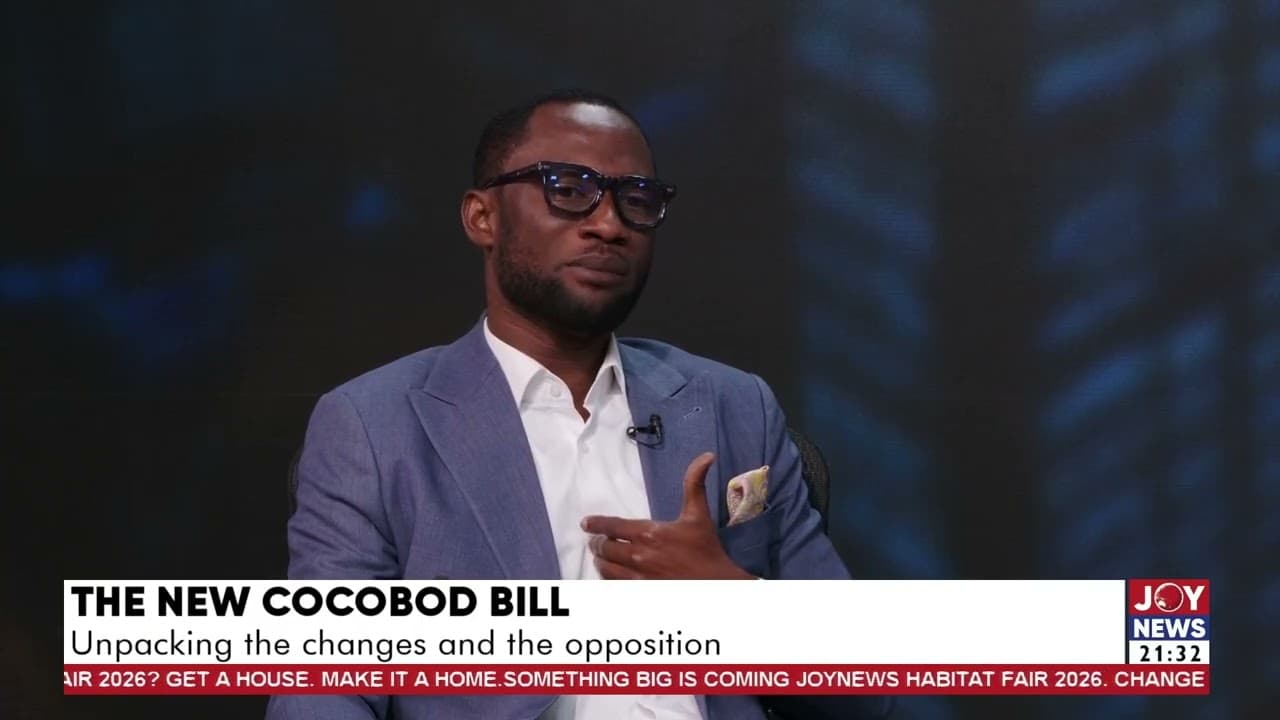
There’s absolutely nothing wrong with it – COCOBOD defends new Cocoa Bill amid minority attacks
Minority has opposed Cocoa Bill from the onset – COCOBOD

We should smile at our dogs – a new scientific study reveals why

England set to eliminate hepatitis C

Nvidia gets $500bn from major investors to develop AI infrastructure
Watch related
All videos

Don’t stop here