
Ghana news briefing
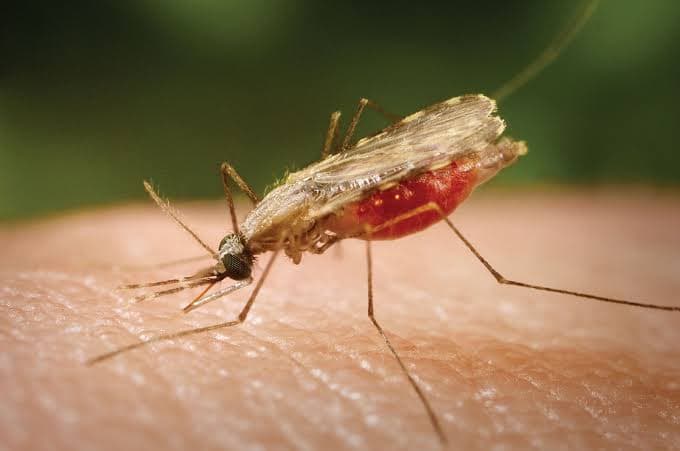
Ghana’s climate future brings less malaria but more deadly heat, new research shows
Not Enough Power to Cool Down: Ghana's Energy Gap A third Climate Impact Lab report, Adaptation Roadmap: Energy (July 2026), authored by Emily Grover-Kopec, Ashwin Rode, Genevieve Maricle, Michael Greenstone, and Tamma Carleton, explains why rising heat is so dangerous in places like Ghana: many communities don't have enough electricity growth to power the fans and air conditioners that could protect them.
This means the same rising heat that is projected to ease Ghana's malaria burden is also expected to bring a real and growing risk to human life through heat exposure itself, a reminder that a warming climate rarely brings only good news or only bad news to the same place." – Christopher Trisos, Director, Climate Risk Lab, and Principal Research Officer, African Climate and Development Initiative, University of Cape Town On the energy side, researchers point to a mix of solutions beyond simply hoping for more electricity: reforms to electricity markets that make power more affordable and reliable, plus interventions that don't depend on electricity at all, such as heat early-warning systems, heat action plans, and expanded healthcare access.
This is a summary of the original articles listed below. Always read the source articles for the full context. GhanaSummary does not create or modify the news — we summarise and link to original publishers.
Original sources
1 reportsMore stories
View all news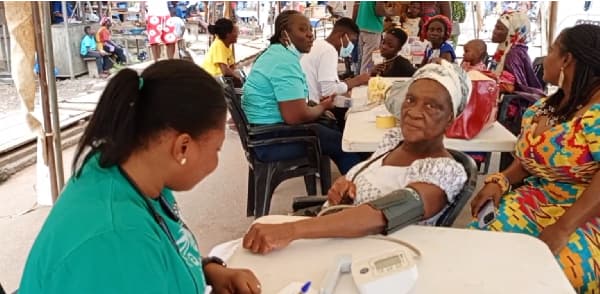
45% diagnosed with hypertension as MP Bissue’s 'Mobile Clinic' reaches Agona Nkwanta residents
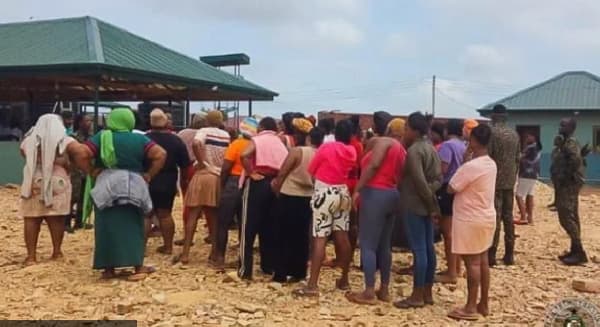
GIS cracks down on cyber fraud, trafficking syndicates

Koforidua hospitals receive beds and medical equipment donation

Ahanta West MP unveils historic statue of King Badu Bonsu II 180 years after his execution

Ghana Scholarship Authority begins 2026/27 academic year interviews
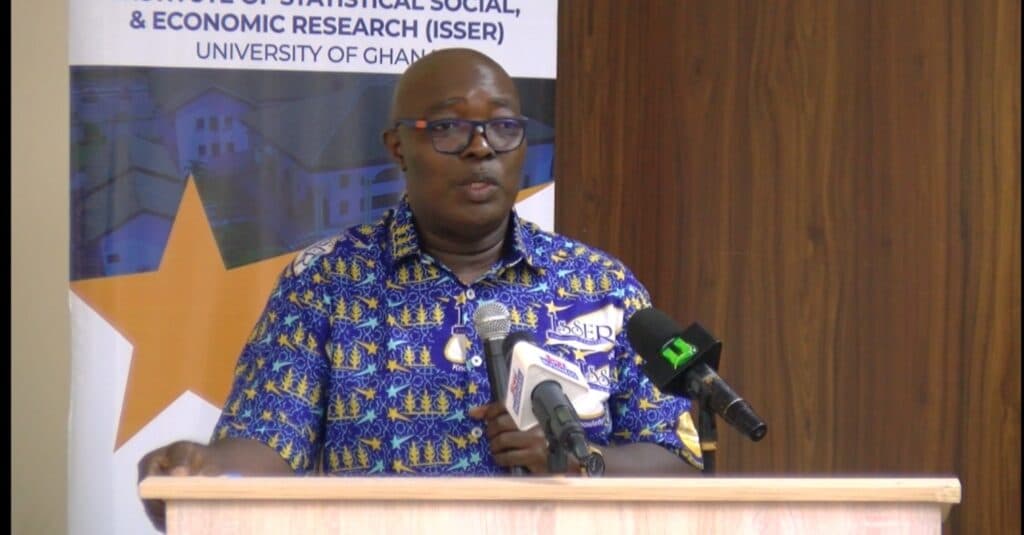
Ghana risks underdevelopmentas infrastructure spending falls short, ISSER warns
Don’t stop here