
Ghana news briefing
Drowning by Design: How Accra chose its floods
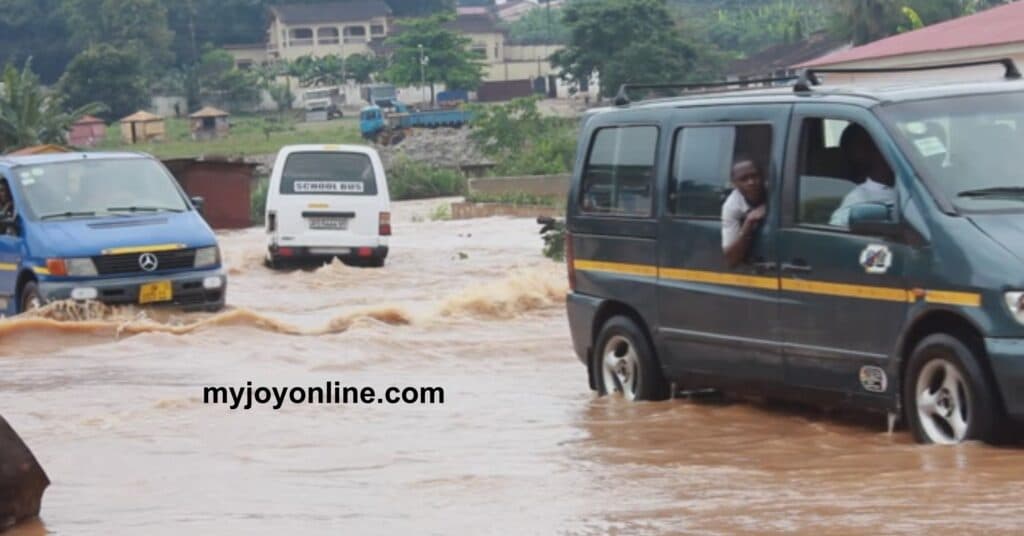
Nature will keep sending water to Accra every June; whether it arrives in a city designed to receive it, or one arranged to be ruined by it, is a human decision deferred for thirty years.
Singapore receives nearly three times Accra's rainfall yet rarely suffers catastrophic flooding: its water agency polices drainage reserves ruthlessly, requires developers to detain stormwater on site, and under its Active, Beautiful, Clean Waters programme has turned drains into assets; a three-kilometre concrete canal was remade in 2012 as a meandering river through Bishan-Ang Mo Kio Park, doubling as a floodplain in storms.
Third, infrastructure and waste: complete the World Bank-financed drainage and detention works, then fund their upkeep through a ring-fenced annual maintenance levy, Dutch-style, rather than episodic emergency contracts; require new developments to retain stormwater on site, as Singapore does; extend waste collection to every neighbourhood, impose producer responsibility on the plastics industry, and enforce dumping penalties, paired with public education that links duty to service, because residents stop dumping when the trucks actually come.
This is a summary of the original articles listed below. Always read the source articles for the full context. GhanaSummary does not create or modify the news — we summarise and link to original publishers.
Original sources
1 reportsMore stories
View all news
Charlie Kirk’s family attends hearing for suspect charged with his murder

Frenchman convicted of 2020 murder of wife confesses from jail

Prince Harry begins his UK visit with court verdict

AI chip boom lifts Samsung profits by 1,800%

India orders Meta to remove ads promoting child sexual abuse

Amazon bars breastfeeding boss from business course
Don’t stop here